
Self-care goes beyond appearance. A look at how body, mind, emotions and relationships fit together, and where medical aesthetics belongs in the picture.
We all hear the phrase “take care of yourself” often. Yet most of the time we use it without really thinking about what it means. For many people, “taking care of yourself” can be perceived as something limited to appearance, weight or skincare. In fact, a culture of self-care is a much broader and deeper concept that takes in the body, the mind, emotions and relationships. Medical aesthetic treatments can be part of this culture, but they are never the whole of it on their own.
What Does Taking Care of Yourself Mean?
Taking care of yourself is not just about using skincare products, having aesthetic procedures or resting now and then. It has more to do with seeing yourself as valuable, noticing your needs and respecting those needs as far as possible. It covers many areas, from physical health to emotional resilience, and from mental calm to social relationships. In other words, “taking care of yourself” is really a way of life and an inner attitude.
Not Just Appearance, but Well-Being
As a physician working in medical aesthetics, I observe this very often: many people who are unhappy with what they see in the mirror are looking not only for an aesthetic change but also for a sense of inner relief. For this reason, when approached in the right way, medical aesthetics is not only about “looking good”; it can also help a person feel better, more cared for and more put together. The important point here, however, is not to see these procedures as the sole source of well-being. A culture of self-care means seeing aesthetic treatments as a supportive component, while building the real foundation on healthy habits and inner balance.
Physical Care: What Your Body Expects from You
Our body sends us many signals every day. Signs such as fatigue, headaches, digestive problems, dull skin and muscle tension are often like messages saying, “This pace is too much for me; let’s review our rhythm.” A culture of self-care involves hearing these signals and taking them seriously rather than ignoring them. Regular, good-quality sleep, a balanced diet, adequate water intake, physical activity and regular health check-ups can form an important foundation for both general health and the appearance of the skin and body. Medical aesthetic treatments become far more meaningful when they are planned on top of this foundation.
Mental and Emotional Care: Boundaries, Breaks and Breathing
Another important part of a culture of self-care is mental and emotional health. Being constantly busy, never-ending responsibilities, the effort to please others and continually putting yourself last can lead to a feeling of burnout in the long run. Taking care of yourself also includes being able to say “no” from time to time, noticing when you need a break, trying to understand your emotions instead of suppressing them, and not hesitating to seek professional support when necessary. Breathing exercises, short walks, meditation, hobbies and social support can contribute to mental relaxation and general well-being.
Social Relationships: The Unseen Side of Self-Care
A culture of self-care does not mean withdrawing into yourself. On the contrary, supportive relationships built within healthy boundaries can help a person feel safe and valued. Relationships that constantly tire and drain you and trigger feelings of worthlessness can strain both emotional and physical balance over time. For this reason, taking care of yourself sometimes also requires reassessing who you spend time with, how much and in what way. Supportive friendships, spaces for sharing and relationships with people you trust can strengthen a person’s inner resilience.
Where Do Aesthetic Procedures Stand in This Culture?
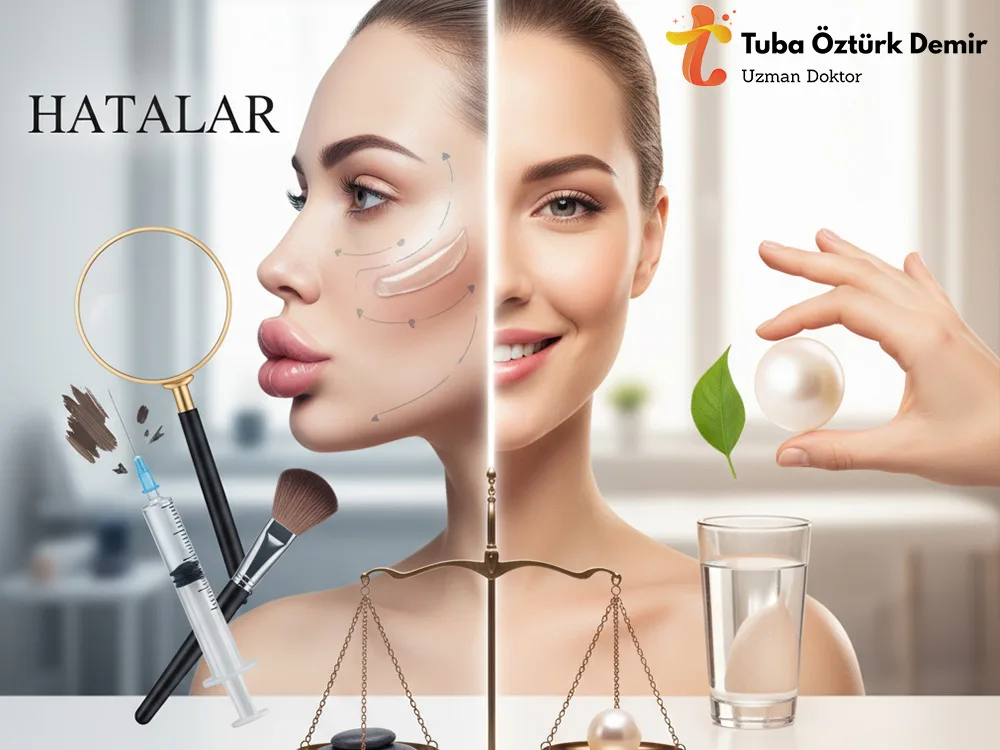
Medical aesthetic procedures can help a person see themselves as more whole, more rested and more harmonious when they look in the mirror. For example, treatments aimed at supporting areas that have lost volume, softening the appearance of expression lines or improving skin quality can, when performed on suitable individuals and with the right approach, feel like part of the care a person shows themselves. What needs attention here, however, is not turning aesthetic procedures into a “solution” or an “identity” in their own right. A more balanced approach is to consider aesthetic treatments as one of the parts within a whole, alongside elements such as sleep, nutrition, movement, stress management and psychological support.
Keeping Your Balance While Taking Care of Yourself
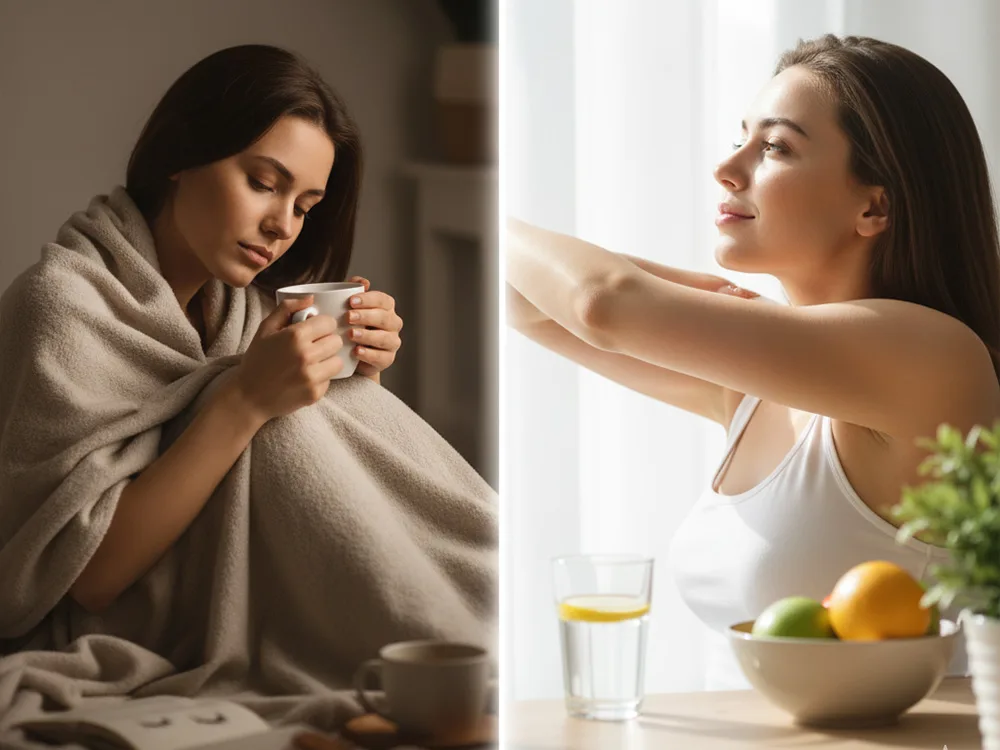
In the process of taking care of yourself, it is sometimes possible to swing between two extremes: neglecting yourself completely or focusing only on outward appearance. The healthy path, however, is to find a realistic and sustainable balance of your own between these two extremes. Sometimes resting without doing anything, sometimes going for a short walk, sometimes having coffee with a friend, sometimes getting lost in the pages of a book, and sometimes making time for a skincare session or a medical aesthetics consultation: all of these can be part of “taking care of yourself” at different times.
How Is a Culture of Self-Care Built?
Building this culture starts with taking small but meaningful steps rather than making radical changes all at once. A good place to start can be to ask yourself this question: “What do I need most during the day, yet put off the most?” Sometimes this may be sleep, sometimes drinking water, sometimes moving, sometimes sharing your feelings, and sometimes simply pausing to breathe. Noticing your answers to this question and bringing them into your life, even with a very small step each day, can over time turn into a culture and a way of life. Seeking support from a physician, psychologist, dietitian or another professional when needed along the way is also an important and valuable part of taking care of yourself.
Conclusion: Beyond Aesthetics, Self-Respect and Compassion
A culture of self-care does not describe an understanding of aesthetics focused solely on outward appearance, but an approach to life that includes self-respect and compassion. Medical aesthetic procedures can be one of the tools that may help a person feel better on this journey; what truly matters, however, is how a person sees themselves, how well they hear their own needs and how kindly they treat themselves. Taking care of yourself is sometimes a skincare treatment, sometimes a doctor’s appointment, sometimes a walk, sometimes rest, and sometimes simply being able to say, “Today I will be a little more understanding with myself.” Small steps taken with this outlook can, in the long run, open the door to a more balanced and healthier life for body, mind and soul alike.
The information on this page is for general information only and does not replace diagnosis or treatment. Results may vary from person to person. The approach suitable for you is determined after a medical examination.